Asbestos Removal in Lakewood, Washington

Asbestos can sit in the ceiling texture, the floor tile and its black adhesive, or the cement shingles on a house, and the first job is finding out which of them a project will disturb. Lakewood Asbestos Removal handles testing and removal for houses, rentals and small buildings in Lakewood, Washington. Census estimates put 58.9% of Lakewood’s housing units at 1979 or earlier, with a median build year of 1975.

Pierce County work falls under the Puget Sound Clean Air Agency (PSCAA). Before a renovation the agency expects a survey of suspect materials by an AHERA building inspector, except in a single-family house the owner occupies. Bigger friable removals are filed with the agency ahead of time, Washington requires certified workers under a certified supervisor, and waste has to go to an authorized site. Each of those is arranged before anything is scraped or pulled.

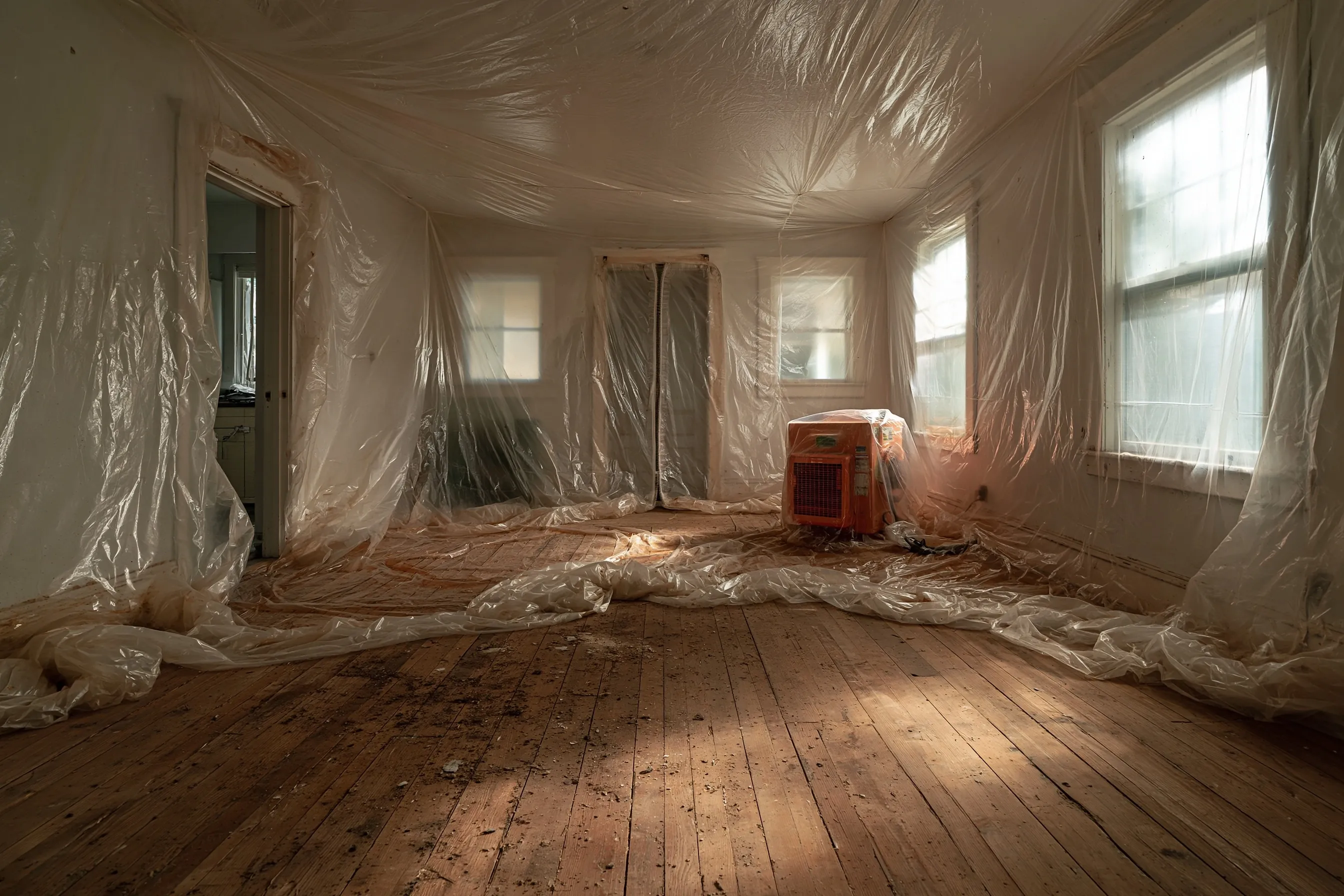
Empty room sealed for asbestos abatement with walls, floor and windows covered in clear plastic sheeting
Asbestos testing and surveysPopcorn ceiling removalFloor tile and sheet vinylSiding and roofingPre-demolition abatementRented houses, duplexes and apartment buildings

Residential asbestos removal

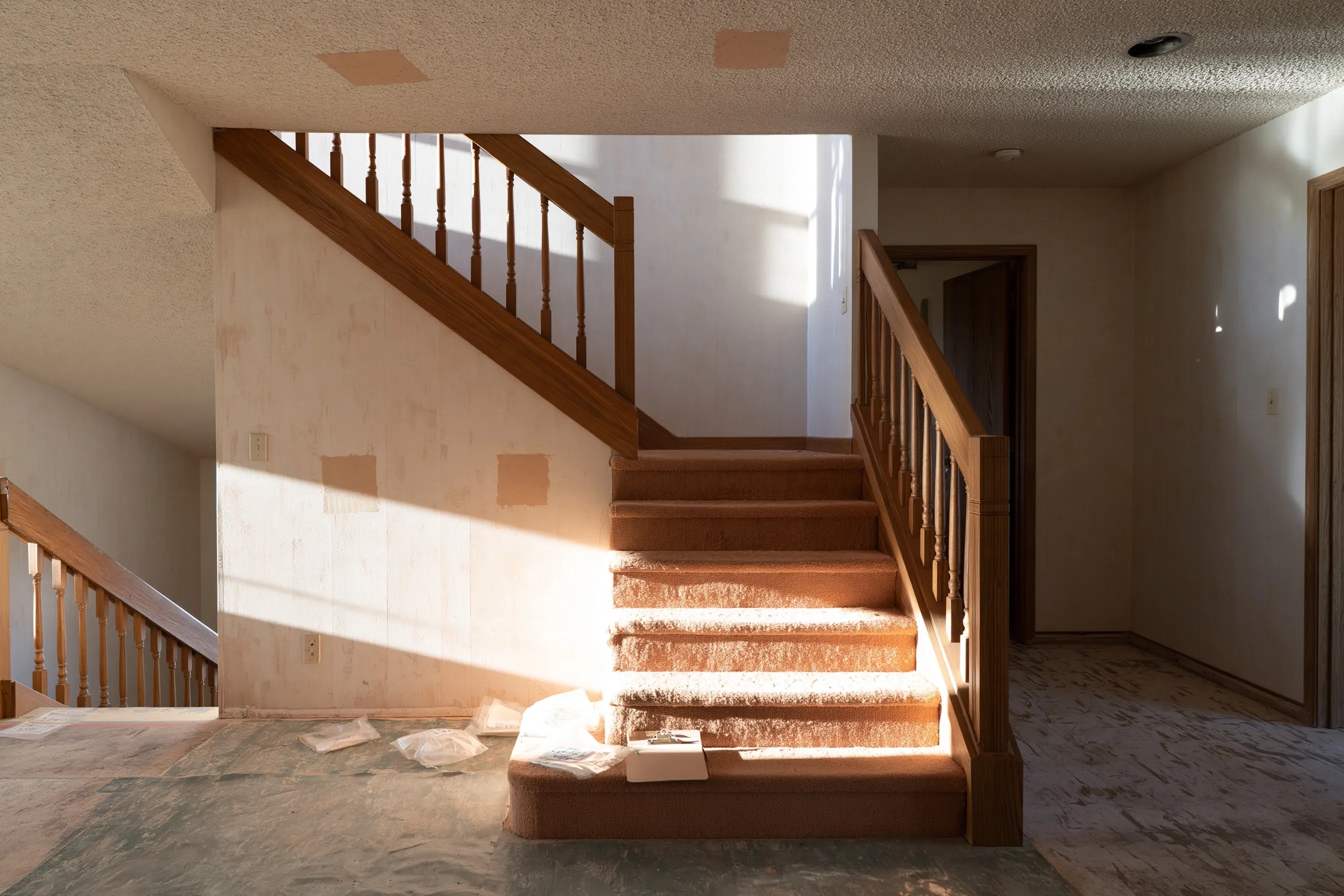
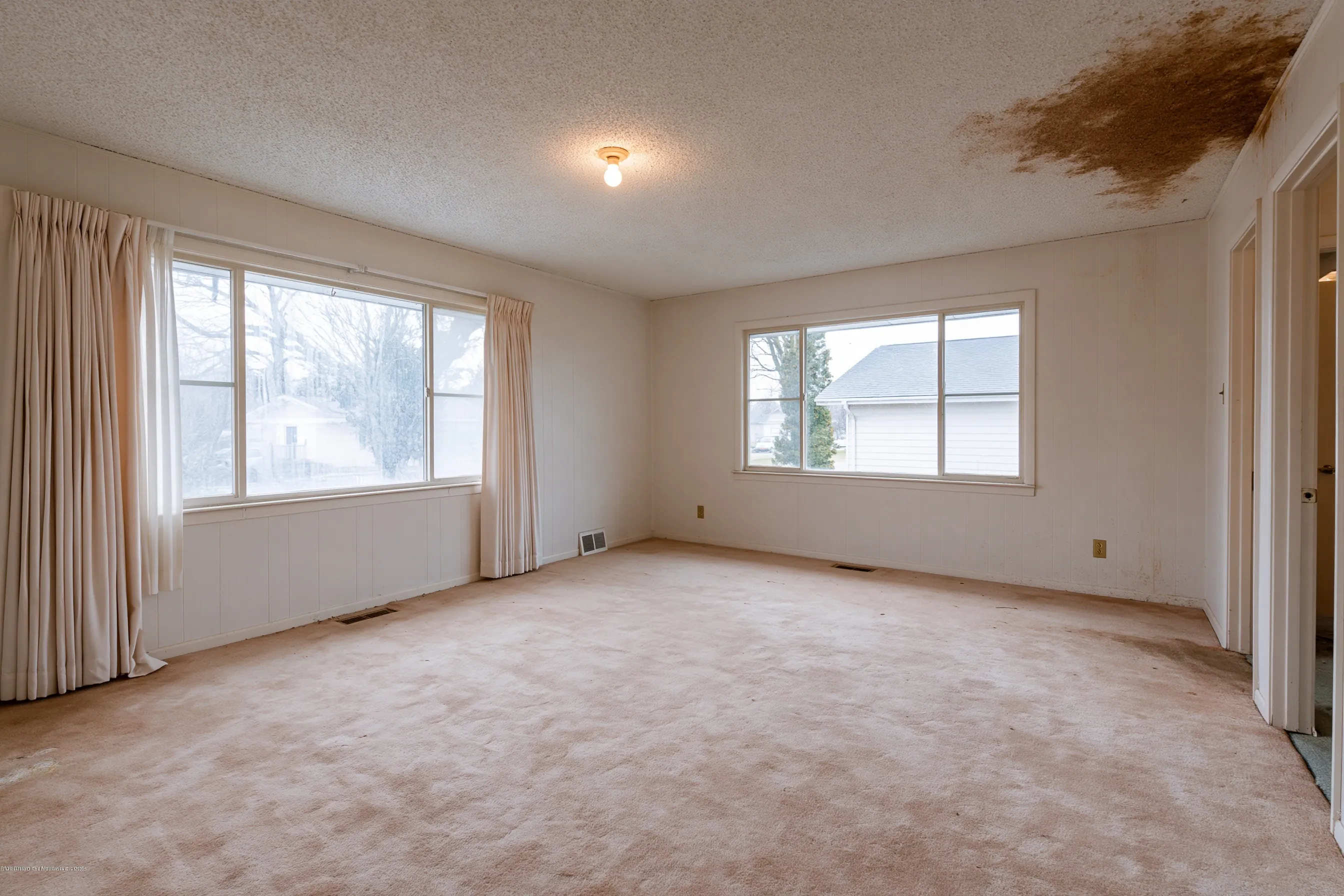
Entry of a 1970s split-level with small taped sample spots on the ceiling, wall and floor and sealed sample bags on a stepA 1970s bedroom with a popcorn ceiling marked by a brown water stain, room emptied

Asbestos testing and surveys

The survey is the document everything else hangs on: which materials were sampled, which came back positive, and how much of each there is. Anything above 1% asbestos counts under PSCAA rules. The state also asks the owner for a good-faith inspection before work that may disturb asbestos, and contractors receive the written report before they bid. An owner living in a single-family house may do the remodel survey personally; for anyone else an AHERA building inspector signs it.

Popcorn ceiling removal

Sprayed acoustic texture is surfacing material, and PSCAA treats positive surfacing material as friable. PSCAA requires no notice for friable removal under 48 square feet per structure per calendar year, so the ceiling area, added to any other friable removal on the structure that year, is measured against that figure. The room is sealed, the texture soaked and scraped wet into bags, and the ceiling cleaned back to the board. Paint or a past leak changes how the texture comes off, so both are checked first.

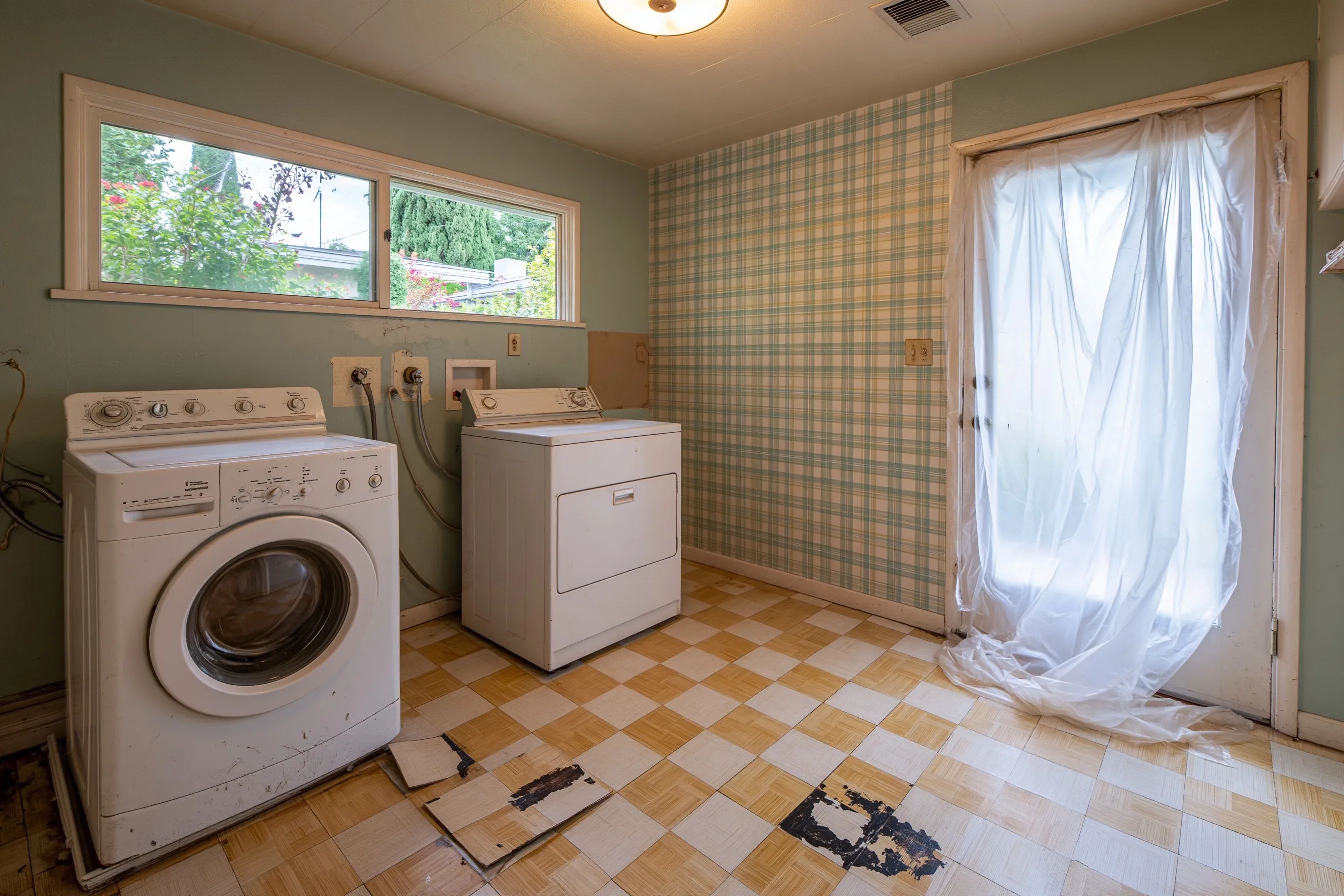
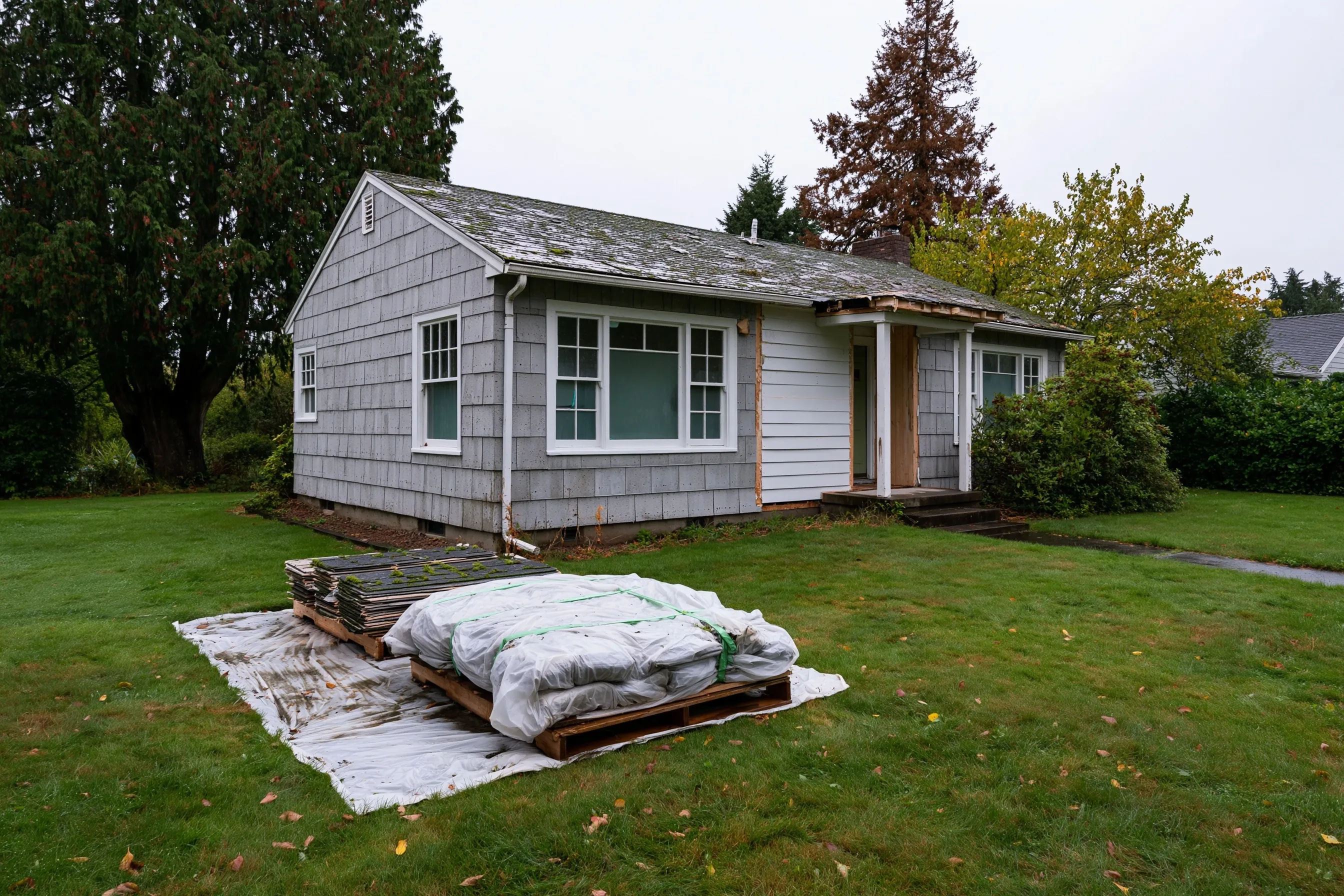
A 1960s laundry room with the washer and dryer moved out and 9-inch tiles lifted to show black adhesiveA 1940s one-story house with gray cement shingles partly removed from one wall, uncovering the original painted wood lap siding

Floor tile and sheet vinyl

Vinyl tile and its black adhesive are nonfriable while they stay intact, and PSCAA requires no notice to remove nonfriable material, as long as nobody sands, grinds or saws it. A laundry room or a 1960s kitchen can hold two or three floors stacked together, so each layer is sampled. Sheet vinyl and its backing are judged by their condition once exposed.

Siding and roofing

Cement shingles were put over wood siding on some older houses, and PSCAA’s friable definition names cement asbestos products. Shingles are kept wet and taken off whole instead of broken. The agency’s homeowner page lists asbestos roofing among nonfriable materials, so the roof and the walls of one house can fall under different notice rules.

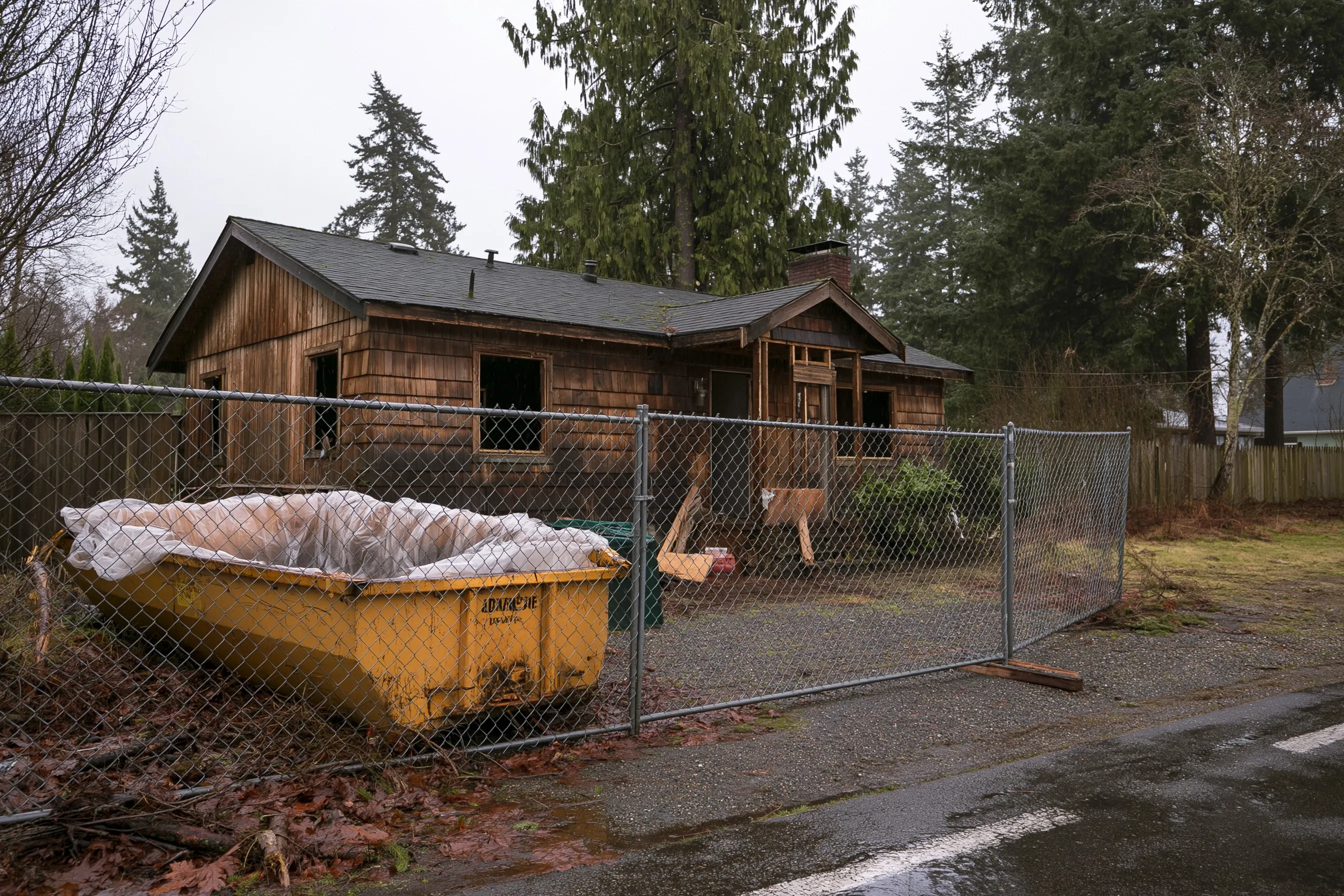
Older wood-sided house behind a chain-link fence, prepared for demolition, with a plastic-lined dumpster, wet gravel and fir trees under an overcast sky

Pre-demolition abatement

Before a teardown, an AHERA inspector surveys the whole structure and PSCAA is notified of any demolition with more than 120 square feet of roof area, with a 10-day wait. Lakewood’s residential permit matrix lists that PSCAA notification as a submittal item for demolition. Asbestos the survey finds is removed by certified workers first.

Rental and apartment abatement

PSCAA defines a single-family residence as a home its owner lives in; rental property and multiple-family units are excluded.

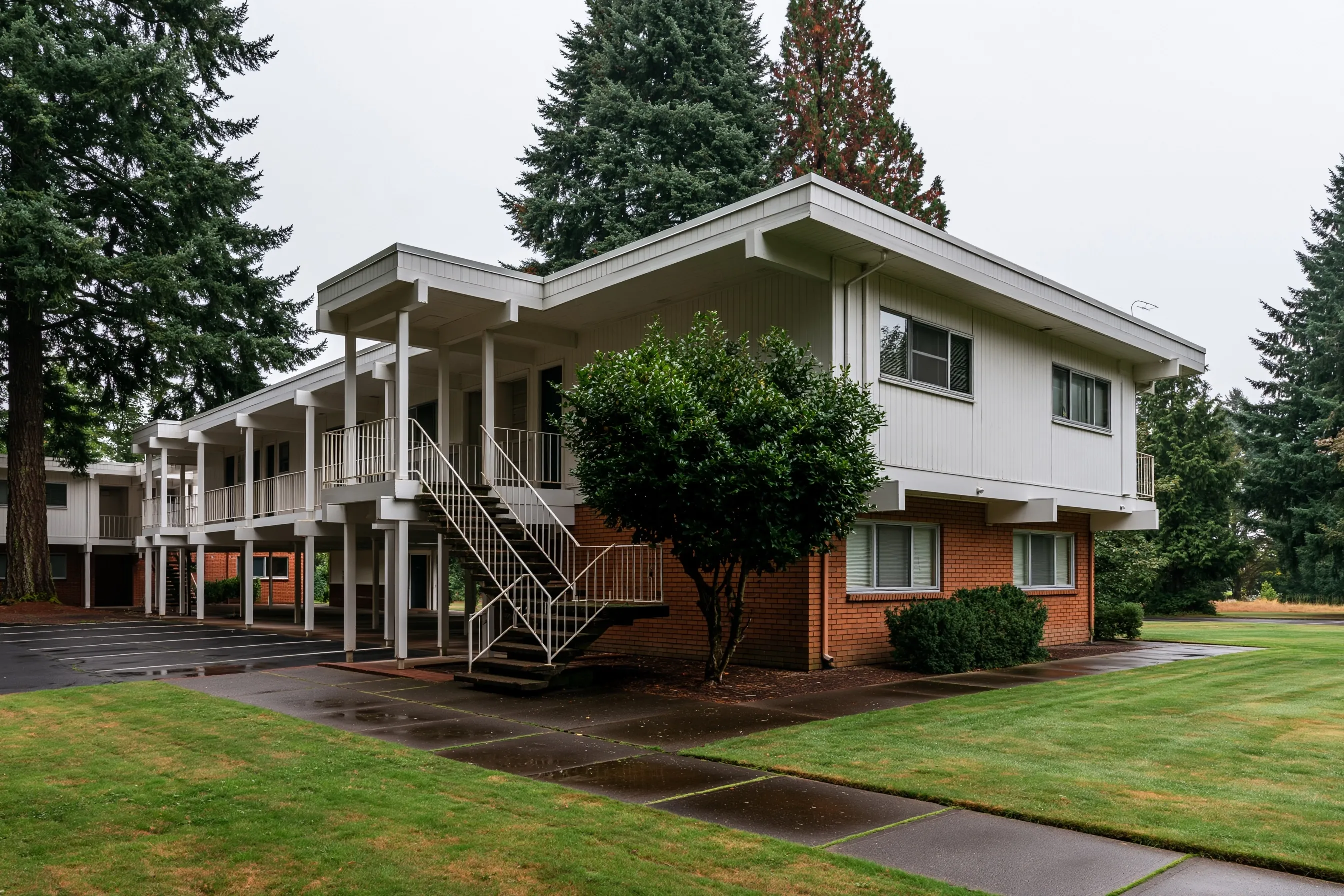
Two-story 1960s garden apartment building with exterior walkways, wood siding and brick, under an overcast sky

Rented houses, duplexes and apartment buildings

Just over half of Lakewood’s occupied homes are rented, and 32.2% of its housing units sit in buildings of five or more. A landlord’s rented house follows the same rules as an apartment block: an AHERA inspector for surveys, notice tiers set by quantity, and certified abatement workers.

Asbestos testing and removal costs

Nearly 6 in every 10 Lakewood homes were built before 1980, and more than half of the homes are rented, so testing is the first step on most jobs here. The ranges cover hired labor, materials, containment, lab fees and disposal for typical jobs in Lakewood, Steilacoom and Parkland. Expect the low figure for a small job with easy access, and the open top for bigger areas, occupied buildings, second stories or extra air tests.

Asbestos testing and surveys

  • Testing a few materials, up to about 4 samples$300 – $600+
  • Asbestos survey before a remodel, one house$400 – $1,000+
  • Asbestos survey before tearing down a house$800 – $2,000+
  • Survey of a small commercial or apartment building$1,500 – $4,000+
What is included

An inspector collects small samples of the materials the work will disturb, a lab analyzes them and a written report lists what tested positive and how much of it there is. A remodel survey covers the work area. A survey before a teardown covers the whole structure.

Get a free quoteSee an example project

Popcorn ceiling removal

  • One room ceiling, about 150 to 250 sq ft$1,800 – $4,500+
  • Several rooms or one floor, about 600 to 1,000 sq ft$5,500 – $14,000+
  • Whole house, about 1,500 to 2,000 sq ft of ceiling$10,000 – $25,000+
What is included

The room emptied and sealed in plastic, the texture soaked and scraped wet into bags, disposal and a final clean. Ceilings of 48 sq ft or more need a notice to the clean air agency first. Skim coat and paint are extra.

Get a free quoteSee an example project

Floor tile and sheet vinyl removal

  • One bathroom or laundry floor, about 50 to 100 sq ft$1,200 – $3,000+
  • One kitchen or large room, about 150 to 300 sq ft$1,800 – $5,000+
  • Several rooms, about 500 to 1,000 sq ft$4,000 – $12,000+
What is included

Tile and black adhesive lifted whole and wet, or sheet vinyl taken up with its backing, inside plastic, then bagging, disposal and a final clean. Tile that comes up unbroken needs no notice, but sheet vinyl with a crumbling backing does. New flooring is extra.

Get a free quoteSee an example project

Siding and roofing removal

  • Siding on one wall, garage or shed, about 200 to 400 sq ft$2,500 – $6,500+
  • Siding on a one-story house, about 1,200 to 1,800 sq ft of wall$10,000 – $25,000+
  • Siding on a two-story house, about 2,000 to 3,000 sq ft of wall$16,000 – $40,000+
What is included

Cement shingles kept wet and taken off whole, wrapped, hauled to an approved site, with the ground sheeted and cleaned. Cement siding counts as friable, so a notice goes in first. New siding is extra. Roofing has no price line here and is quoted after a roof survey.

Get a free quoteSee an example project

Pre-demolition abatement

  • Asbestos survey before tearing down a house$800 – $2,000+
  • Abatement of a whole house before tear-down$10,000 – $30,000+
What is included

The whole structure surveyed, every positive material taken out ahead of the wrecking crew, disposal, and the notice to the clean air agency with its 10-day wait. Wrecking is a separate price.

Get a free quoteSee an example project

Rental and apartment abatement

  • Survey of a small apartment or commercial building$1,500 – $4,000+
  • Common areas or one section of a building, about 500 to 1,000 sq ft$5,000 – $15,000+
What is included

A survey by an accredited inspector, a certified crew, a sealed work area around tenants, removal, disposal and the agency notice sized to the quantity. Larger buildings and bigger sections are priced after a visit.

Get a free quoteSee an example project

Ranges are 2026 estimates, not quotes. Your written estimate is free and comes after we have seen the home.

Our process

01

Survey what the work will touch

Suspect materials in the work area are identified and sampled, and the results record what tested positive, in which room, and in what quantity. Anyone who may touch the material gets a summary, posted on site or handed over in writing, and the full survey stays with the job.

02

Match the notices to the quantity

Quantity sets the paperwork. At 10 linear feet of friable pipe covering or 48 square feet of other friable material in a calendar year, a PSCAA notice comes first; below that none is needed, and nonfriable removal never needs one. Demolitions over 120 square feet of roof area are notified regardless. L&I runs a separate notice for projects over 48 square feet or 10 linear feet. Check the agency’s site for current fees.

03

Contain, wet and remove

Barriers and warning signs mark off the work area. Friable material is kept wet, brought down gently rather than dropped, and sealed into leak-tight containers before anyone leaves for the day. Nonfriable material goes in containers with a sign identifying it as nonfriable asbestos waste, and the generator’s name, address and telephone number are recorded on the waste shipment record.

04

Haul to an authorized site

Ten days after removal is the limit for getting friable waste to an authorized site, and a waste shipment record travels with it. PSCAA’s list gives Hidden Valley Transfer Station in Puyallup for Pierce County waste, since Tacoma Landfill is restricted to the City of Tacoma. Nonfriable waste is kept in containers signed as nonfriable asbestos waste.

Older homes in Lakewood, Washington

The 2024 ACS counts 28,591 housing units: 10,456 from the 1960s and 1970s together, another 9,517 from 1950 to 1969, and 7.3% from before 1950. That 1950s-to-1970s weighting puts ceiling texture, vinyl flooring and cement siding on the list to sample; pre-war plaster and boiler wrap are a smaller part of the stock.

Age points to where to look, not to what is there. Plenty of homes from those years test clean, and only a lab result settles it.

On the city side, Lakewood’s residential permit matrix lists PSCAA notification for demolition applications and none for remodels, and its remodel brochure does not mention asbestos. The survey duty for a remodel comes from PSCAA and state rules rather than from a Lakewood permit line, so it applies whether or not a permit is needed. The matrix itself says not every project requires every listed item.

Serving Lakewood, Steilacoom and Parkland

Lakewood Asbestos Removal works across Lakewood, across the city, from single-family streets to apartment buildings, and in neighboring Steilacoom and Parkland. All three are in Pierce County, under the Puget Sound Clean Air Agency. Steilacoom is its own town and Parkland is unincorporated, so permits follow a different office in each. Tacoma Landfill takes asbestos waste from the City of Tacoma only, so it is not an option for any of the three.

Frequently asked questions

Can I remove asbestos myself in Lakewood?

Only if the building is a single-family home you own and live in. PSCAA’s definition leaves out rental property and multiple-family units, so a landlord, a tenant or a duplex owner needs a certified contractor. An owner-occupant still follows the work-practice and disposal rules, and friable material above the small-quantity limits needs a notice first. The agency strongly recommends hiring a certified contractor even then.

Does a Lakewood demolition permit involve an asbestos survey?

The City’s residential matrix lists a PSCAA notification for demolition applications, and PSCAA requires an AHERA survey of any structure before it is demolished, owner-occupied or not. A 10-day wait runs from the notice. The matrix notes that not every project needs every item, so check the current requirements with Lakewood Planning and Public Works.

Where does asbestos waste from Lakewood go?

To a facility authorized to accept it. PSCAA’s list says Tacoma Landfill takes asbestos waste from the City of Tacoma only, and lists Hidden Valley Transfer Station, 17925 Meridian Street East in Puyallup, as accepting asbestos waste from Pierce County. Both require a waste shipment record. Call ahead for current terms.

What affects the cost of asbestos removal?

Price follows the material and its condition, the measured quantity, access to the area, the containment and cleanup it calls for, whether people live in the building, and the trip to an authorized disposal site. Survey results with quantities let a contractor put a number on it; without them, any figure is a guess.

Request a free asbestos removal quote

What are you worried about, what work is planned, and where is the property? A survey report, if one exists, is worth mentioning up front. We'll get back to you soon with an estimate or any questions we have. Estimates are free and there's no obligation.

Call (253) 367-4626

Call (253) 367-4626